
Yubico Security Key vs SoloKey 2026: Cost and Fit
Compare Yubico Security Key C NFC and Solo 2 on price, NFC, open hardware and the cost of issuing backup keys.
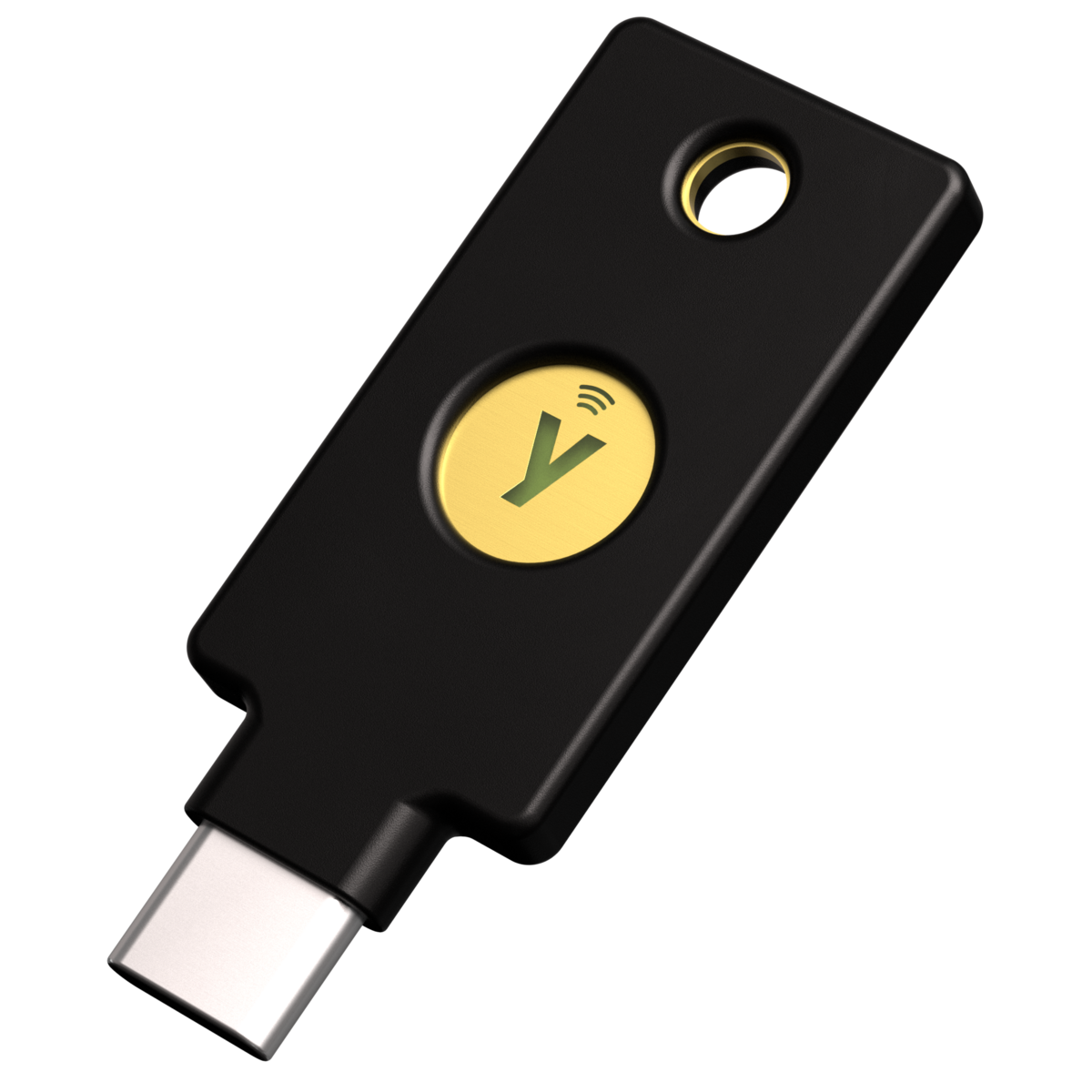
For a USB-C security key with NFC, Yubico's Security Key C NFC lists at $29 and SoloKeys lists Solo 2+ at $46. Choose Yubico for the lower published hardware price in that configuration; choose Solo 2+ if its open hardware and software matter to your security review. Verify that each account accepts FIDO keys before ordering.
We checked the Yubico US product page and SoloKeys product page on October 28, 2026, with prices verified October 2026. These are listed device prices, not delivered quotes. Shipping, tax, regional availability and discounts may change the actual purchase total.
Toolradar data: The Toolradar password-manager ranking reports 37 password managers evaluated as of October 28, 2026. That is context for protecting the accounts in a vault, not a count or test of physical security keys.
At a glance
| Question | Yubico Security Key C NFC | Solo 2+ |
|---|---|---|
| Listed device price | $29 in Yubico's US store | $46 on SoloKeys' product page |
| Connector | USB-C | USB-C and USB-A versions listed |
| NFC | Included | Included in Solo 2+ |
| Protocol position | Yubico labels the product FIDO only | SoloKeys describes the product as a FIDO2 security key |
| Hardware openness | Check Yubico's published specifications for the selected model | SoloKeys publishes hardware schematics and describes open-source hardware and software |
| Buyer fit | A buyer who wants USB-C and NFC at the stated entry price | A buyer who values published hardware design and wants NFC |
These are specific products, not a verdict on every YubiKey or SoloKeys model. Yubico's Security Key line is different from its multi-protocol YubiKey 5 line. Check the product name and protocols in the purchase order; a key that fits the port may still be wrong for a legacy authentication system.
Budget for a primary and a backup
A security key is a physical device that can be lost or damaged. Registering a second key on accounts that support multiple keys gives the owner an alternative access path. Confirm each application's enrollment and recovery rules before issuing hardware, and protect any recovery codes independently of the primary key.
At the listed unit prices, two Yubico Security Key C NFC devices total $58, while two Solo 2+ devices total $92, before shipping and tax. The $34 difference is the extra device cost for an NFC-capable pair, not an assessment of security strength. For ten people receiving two keys each, the hardware totals are $580 and $920 respectively at these unit prices, a $340 gap before delivery, spare inventory, discounts and administration.
SoloKeys also lists the non-NFC Solo 2 at $35. Two would cost $70 before additional charges. It can suit a USB-only deployment, but it is not a direct NFC replacement. The company lists a separate Hacker device intended for developers and makers; procurement should not silently substitute that product for the standard employee key.
Cost verdict: Yubico's listed USB-C/NFC key has the lower price in this comparison. If open hardware is a requirement, include the additional cost of two keys per person and a recovery process in the budget. Prices should be rechecked for the delivery country and exact connector.
USB-C, NFC and the devices people use
Yubico lists USB-C and NFC on the Security Key C NFC. SoloKeys lists Solo 2+ in USB-A and USB-C versions with NFC. A laptop port tells only part of the story: identify whether employees also sign in on a phone, whether the phone and application support NFC authentication, and whether a protective case or accessory affects the workflow.
NFC support on a key does not guarantee that every application supports the same enrollment or sign-in flow. Ask each service provider how its security-key feature works on the relevant operating systems and browsers. A successful desktop login is not proof that a mobile application exposes the same authentication method.
Keep an adapter and spare-device policy separate from the security key budget. If a team changes laptop models, the connector on an existing key may no longer fit without an adapter. The hardware security key guide covers additional form factors, and the 2FA setup guide explains how to plan rollout.
Connectivity verdict: Both compared products offer NFC, but Solo 2+ is available in two USB connector choices while the named Yubico product is USB-C. Select a model against the device inventory and confirm mobile support for the accounts being protected.
FIDO support and legacy requirements
Both product families describe FIDO support. For a service that accepts security keys using a compatible FIDO flow, check the service's enrollment instructions, allowed number of keys and supported browsers. A buyer should distinguish registering a key as an additional sign-in factor from using a device-bound passkey, because the service decides which choices it exposes.
The Yubico product page explicitly labels Security Key C NFC as FIDO only and says it does not generate codes in Yubico Authenticator. That distinction matters for an application that expects one-time codes, smart-card functions or another protocol rather than FIDO. Do not assume that a lower-priced Security Key has the same capabilities as every device sold under the YubiKey name.
SoloKeys describes Solo 2 as a FIDO2 key and offers a developer-oriented Hacker variant. If a deployment requires a protocol outside the publicly listed functions, ask the vendor for documentation for the exact model and version before issuing it. A security key is not a universal substitute for an organization's identity provider or every form of second factor.
Protocol verdict: Both are candidates for a FIDO-based workflow. Neither should be purchased for a different protocol on the strength of its connector alone. List the target applications and verify their requirements before ordering a fleet.
Open design, firmware and assurance
SoloKeys says Solo 2 hardware schematics are published under CERN-OHL-S and describes its hardware and software as open source. This may help a buyer whose policy values access to designs and code. It does not, by itself, prove that a particular unit was manufactured from reviewed source, nor does it replace independent assessment or a secure supply chain.
Yubico publishes product specifications and documentation for its keys. A buyer with a formal assurance requirement should ask for the exact product's current certification, firmware version and audit documentation rather than assume another Yubico model's certification applies. A certification claim needs a model, scope and date to be meaningful.
The developer-oriented Solo Hacker page describes an unlocked device intended for makers. That is a different procurement decision from distributing standard keys to staff. If a team needs custom firmware, define who may build it, how updates are approved and how devices will be inventoried. If it does not, check whether the standard version better matches the organization's operational controls.
Assurance verdict: SoloKeys publishes hardware design information for Solo 2, which is relevant to an open-design requirement. Evaluate evidence, deployment policy and exact device versions on both sides before describing either product as independently verified for your environment.
Enrollment, recovery and offboarding
Start by identifying high-impact accounts: identity-provider administrators, cloud consoles, source control, password managers and recovery email. Confirm that each service supports the intended key and whether it allows two keys. Register the backup while the primary is available; do not wait for a lost-key incident to discover that the recovery flow requires an unavailable device.
Maintain an inventory that associates a device with its owner without exposing authentication secrets. Decide where unused keys and recovery codes are stored, who can approve replacement, and how a lost device is removed from each account. A backup key is useful only if the person can locate it and the account permits it as an authentication method.
Offboarding has two separate steps: remove the person's identity and revoke any registered keys or sessions as appropriate for each service. A departed employee's physical key is not a substitute for removing access to the account. For administrators, include a tested break-glass procedure that avoids reliance on one person's device.
Our phishing prevention guide covers related risks. Security keys are one layer; password managers such as Toolradar profile for 1Password and Bitwarden address credential storage, and their own account recovery still needs attention. See the password-manager guide, 1Password review and Bitwarden review for that separate choice.
Which should you choose?
Choose Yubico's named Security Key C NFC when your applications accept its FIDO-only feature set, staff need USB-C and NFC, and the lower published unit price matters. Confirm every required application and plan for an enrolled backup. Do not use its price to estimate a different YubiKey model with additional protocols.
Choose Solo 2+ when your team wants NFC and places value on published hardware design and open-source software. Compare the required USB connector and buy the standard or developer model deliberately. Ask the vendor for current availability, delivery terms and evidence relevant to your assurance policy.
For a broader deployment, compare the cost of both primary and backup devices, setup support, shipping, replacement inventory and the time needed to register accounts. The authenticator app guide, zero-trust platform guide and 1Password vs Bitwarden comparison address related controls that a physical key does not replace.
How we compared
We read Yubico's US product page and SoloKeys' product descriptions on October 28, 2026. Our estimates multiply published unit prices and exclude taxes and shipping. We did not buy, use, test, audit or certify either device. Validate compatibility, inventory and current price before purchase.
FAQ
Which NFC key costs less?
The cited US Yubico Security Key C NFC page lists $29, and SoloKeys lists Solo 2+ at $46. Shipping, taxes, regional pricing and discounts may change the final comparison.
Does Solo 2 include NFC?
SoloKeys lists NFC on Solo 2+. It also sells Solo 2 without NFC, so select the right model when ordering.
Does the Yubico Security Key generate authenticator codes?
The cited product page labels this model FIDO only and says it does not generate codes in Yubico Authenticator. Other Yubico models have different specifications.
Why buy a second security key?
A separately enrolled backup can provide another way into an account when the primary device is lost. Check whether the specific service permits multiple keys and keep the backup secure.
Is Solo 2 open hardware?
SoloKeys publishes Solo 2 hardware schematics under CERN-OHL-S and describes its software as open source. Evaluate the exact device and supply chain against your own requirements.
Will either key work with every service?
No universal compatibility should be assumed. Check the application's supported authentication protocol, device, browser and enrollment rules before deploying a key.
Cite this: Cyberpresso, "Yubico Security Key vs SoloKey 2026: Cost and Fit", October 2026.
Some offers on this page may be paid placements or contain affiliate links.
Cyberpresso: daily cyber & AI brief
Free daily newsletter, read in 5 minutes.
Subscribe free