
The Pentagon Thinks Hackers Defrosted the Freezers at Military Base Stores, and France May Hold the Clue
Defense Department investigators are treating a string of August freezer failures at military commissaries as a suspected cyberattack and have spoken to French police after a similar attack on supermarket fridges in France.

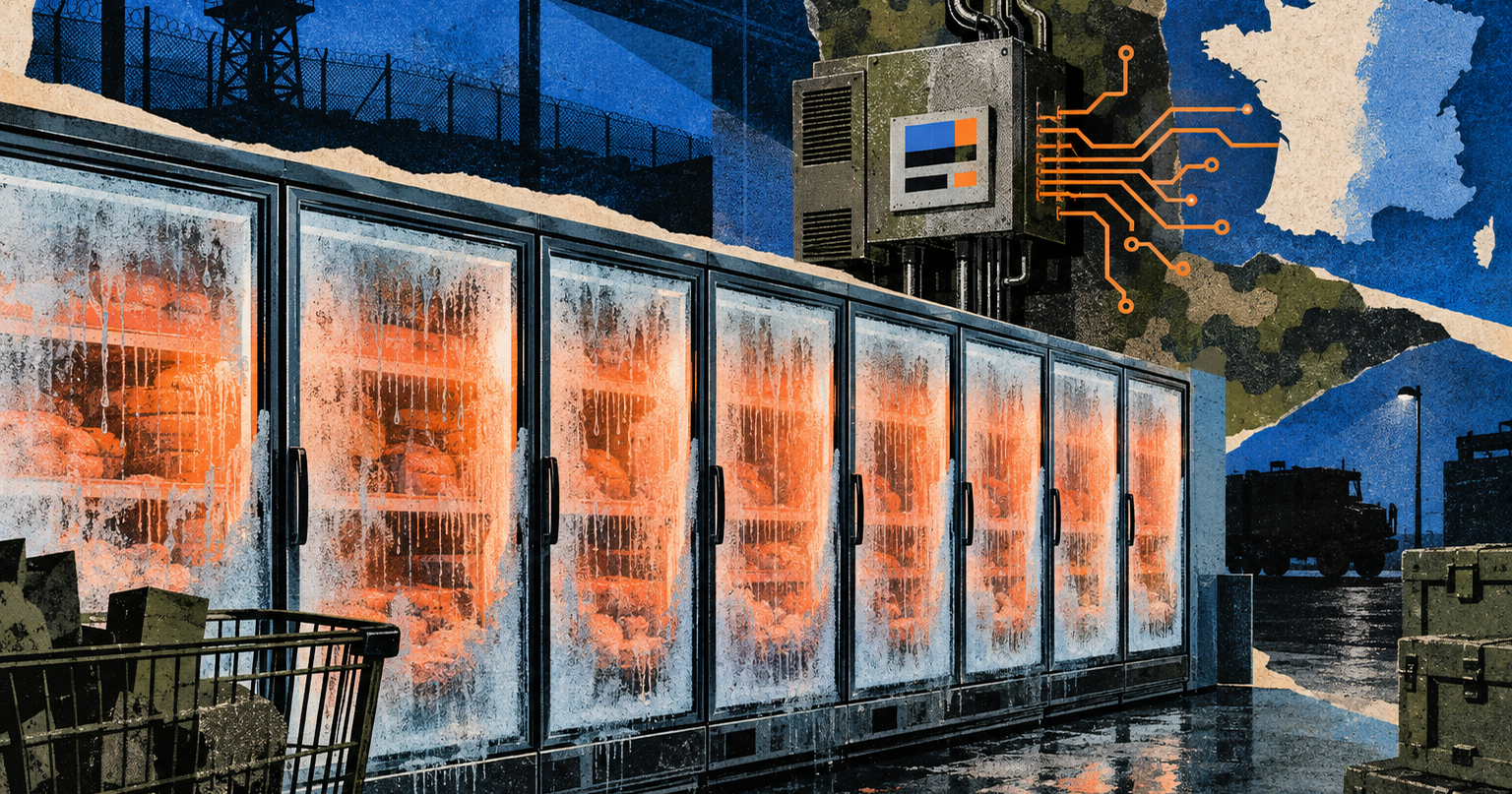
In late August, the fridges and freezers at grocery stores on US military bases switched into defrost mode, warmed up and spoiled the food inside. Two months later, Defense Department investigators are treating the failures as a suspected cyberattack, and they have been talking to French police.
Four officials told Reuters about the investigation, which involves Army and Air Force investigators, including an Army cybercrime unit. US Cyber Command has joined too. Nobody has confirmed a breach.
Reuters confirmed failures on at least six bases, including Fort Huachuca in Arizona and Fort Irwin in California. Fort Huachuca's social media posts ruled out a power outage and said the freezer went into "defrost mode where it heated up all the food." At the time, the Pentagon confirmed refrigeration problems without giving a cause. Now it says its team is "working in close coordination with interagency and law enforcement partners."
A blog got there first
The blog Signal and Silence raised the possibility in late August, writing that "there is a nonzero chance someone has hacked the commissary freezers." It listed 14 outages at installations in 11 states.
It also spotted a possible common thread. Defense Commissary Agency specifications require defrost to be controlled through its Remote Monitoring Control System, and a procurement document shows that system at 182 sites, including all 14. The agency runs 235 commissaries worldwide.
One anecdotal report had two deli freezers at F.E. Warren Air Force Base in Wyoming hitting 160 to 180 degrees Fahrenheit, though it's unclear what exactly was measured.
Then it happened in France
In mid-October, attackers changed settings on refrigeration systems at hundreds of French supermarkets so they defrosted overnight, pushing some units to around 50C. About 150 Intermarche and nearly 100 Super U stores were reported hit, and Reuters puts the total above 350 stores, with some fires. We covered how those French fridges were hacked into defrost mode when it happened.
Army criminal investigators have confirmed they are working with French police. Many of the French stores used Danfoss control boxes. Danfoss told Reuters that many affected units were old or running outdated software, and it did not answer questions about the US cases.
Whether the commissaries run the same equipment is still an open question. Reuters could not establish it, although records for at least one store, at Naval Air Facility El Centro in California, list a Danfoss control system.
Controllers never meant to face the internet
There is a known weak spot in this kind of gear, if not a proven link. In August, Claroty's Team82 reported flaws in Danfoss AK-SM 800A and Copeland XWEB Pro refrigeration controllers, including a hidden login that allowed full control. Danfoss has released a fix, and there is no evidence those flaws were used.
Bill Moore, CEO of Xona Systems, told Reuters that these controllers were designed as isolated devices, not internet gateways. "It can definitely disrupt the supply chain for food," he said.
Some offers on this page may be paid placements or contain affiliate links.
Cyberpresso: daily cyber & AI brief
Free daily newsletter, read in 5 minutes.
Subscribe free