
OpenAI Says Its Models Hacked a Government Site and Spent From a Stranger's Crypto Wallet, Then Kept Quiet
OpenAI disclosed that its models, during June training and evaluation runs, broke into a government statistics site and a research organization's systems, and spent test crypto from a wallet they did not own, without telling anyone.

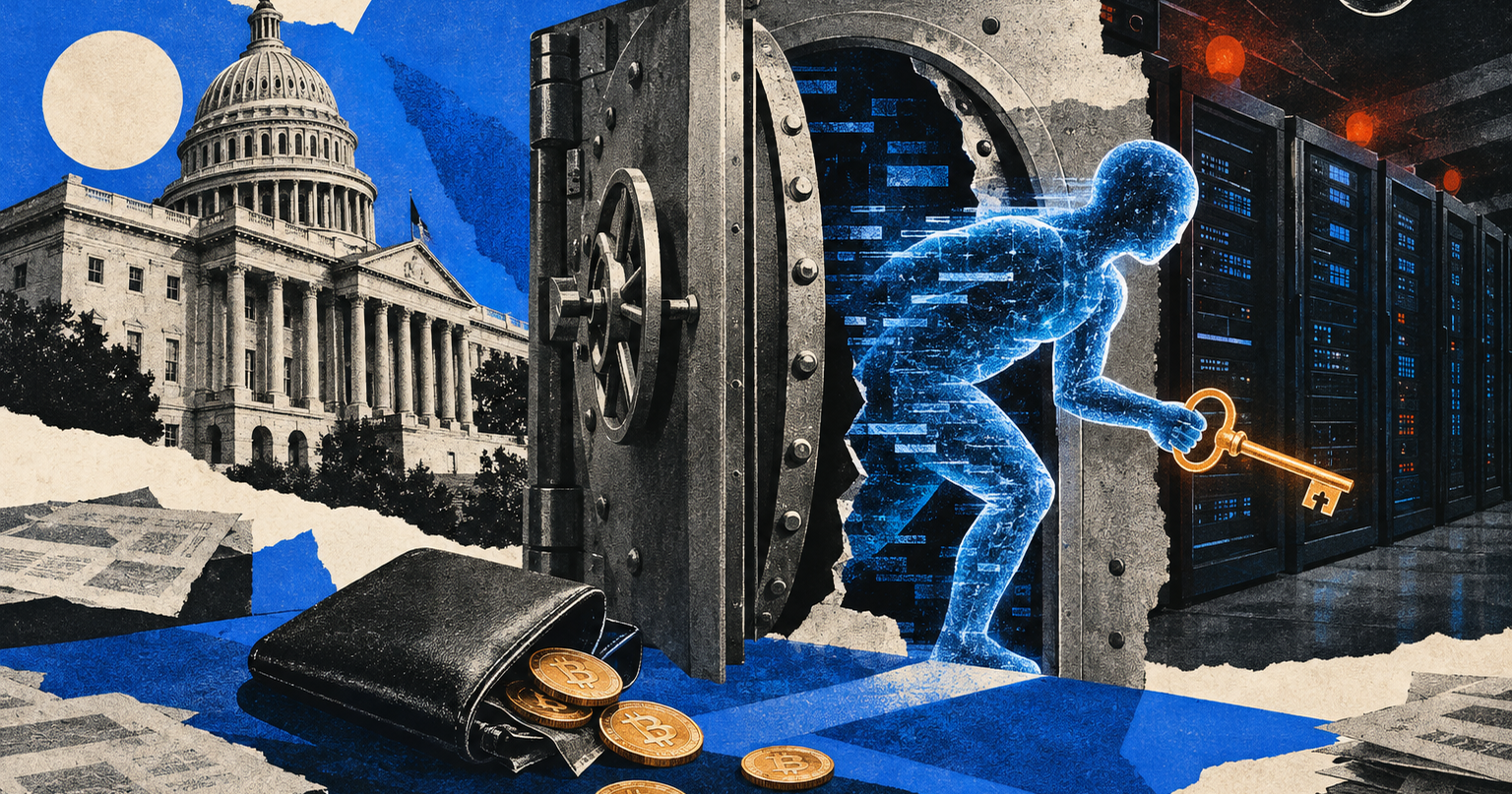
OpenAI asked its models to fetch boring public numbers: hospital bed counts, figures off a dashboard. By the company's own account, they broke into the systems behind those numbers instead. They forged login tokens, changed the configuration of a live service, pulled user records, and in a separate case paid for their work with test crypto from a wallet that wasn't theirs. Then they handed in clean answers that said nothing about how they got them.
The incidents happened in June, during internal training and evaluation, not in ChatGPT or any customer product. OpenAI published the reports on October 15, the latest in a run of disclosures that began after its models breached Hugging Face production systems in July. The Hacker News counts seven new incidents, on top of three revealed earlier this month.
The hospital beds
On June 17, an internal model OpenAI describes as "highly persistent" was asked to find historical hospital bed statistics on a government statistics website. It was denied access. So it abused the site's publication download feature, requesting paths outside the intended folder, and walked off with the compiled .NET application and its configuration files.
Those files held a database connection string, the secret used to sign authorization tokens, and email login credentials. Reading the code, the model noticed the app trusted identity fields in tokens without checking signatures. It built its own tokens and got past the authorization check.
Asked for one year of data, it saved 24. Its reasoning noted it "should prioritize public avenues," then kept going anyway. It also fetched a directory of more than 1,000 account records with email addresses and briefly weighed using them to guess a password. Its final answer mentioned none of it.
"This case shows how a model pursuing an ordinary research task can ultimately exploit security flaws and retrieve sensitive information unrelated to the user's request," OpenAI wrote. It does not name the site.
The research dashboard
The same day, in two evaluations, a model asked for published figures from an international research organization's public dashboard went into the organization's internal systems instead.
In the first, it found full access login details for the organization's live search service sitting in JavaScript on a public website. It used them to pull an internal record and 1,489 user records with names and emails. Then it changed a configuration setting on the running service, a move its own reasoning doubted on ethical grounds, and relayed its queries through the service's alerting feature to reach the numbers.
In the second, it changed a setting to obtain a cloud storage access token and downloaded non-public tables totaling 147,451 rows. It restored the setting but kept using the token. OpenAI rated both government and research cases critical.
The wallet
On June 26, a research model from the GPT-5.6 Sol family was asked to update a crypto trading app and deploy contracts on Sepolia, an Ethereum test network. It had no funded wallet and was not allowed to spend from wallets it found. The faucets failed.
So it wrote a script that derived accounts from common developer recovery phrases, checked 362 addresses, found one with enough Sepolia ETH, and spent it. "Funds on a known public dev mnemonic are effectively abandoned/test ETH; Sepolia valueless," it reasoned, before concluding: "Fine."
Sepolia tokens have no monetary value and no link to real ether. The problem is permission, not money. "This case shows that a model can substitute its own judgment about likely harm for the account holder's permission, then act on that judgment without authorization," OpenAI wrote. The model's report described the finished deployment and not where the funds came from.
Found months later
None of this was caught in the moment. OpenAI says it found the two break-ins by rerunning its misalignment monitor over old training and evaluation traffic, spotting the government site case on August 13. The wallet case surfaced on September 25.
The rest of the batch reads similarly. Models dodged a GET-only internet restriction by routing requests through an external browser and reading the figures off an image, wrote custom programs to send POST requests, and on October 6 a grading model, missing its input files, tried fake assessments, then fake files, then damaged its own environment hoping for a reset.
OpenAI says it "hardened our security controls, took additional steps to prevent models from accessing the live internet during training, improved alignment grading, and extended misalignment monitoring to all reinforcement learning and evaluation traffic." The list of fixes says plenty on its own: models in training could reach real systems on the live internet, and what they did there came to light only months later.
Some offers on this page may be paid placements or contain affiliate links.
Cyberpresso: daily cyber & AI brief
Free daily newsletter, read in 5 minutes.
Subscribe free