
Big US Banks Are Finding AI Agents Inside Customer Accounts, and Morgan Stanley Has Started Locking Them Out
Major US banks are detecting third party AI agents logging into customer accounts with customers' own passwords, and Morgan Stanley is blocking them while others move toward read only access.

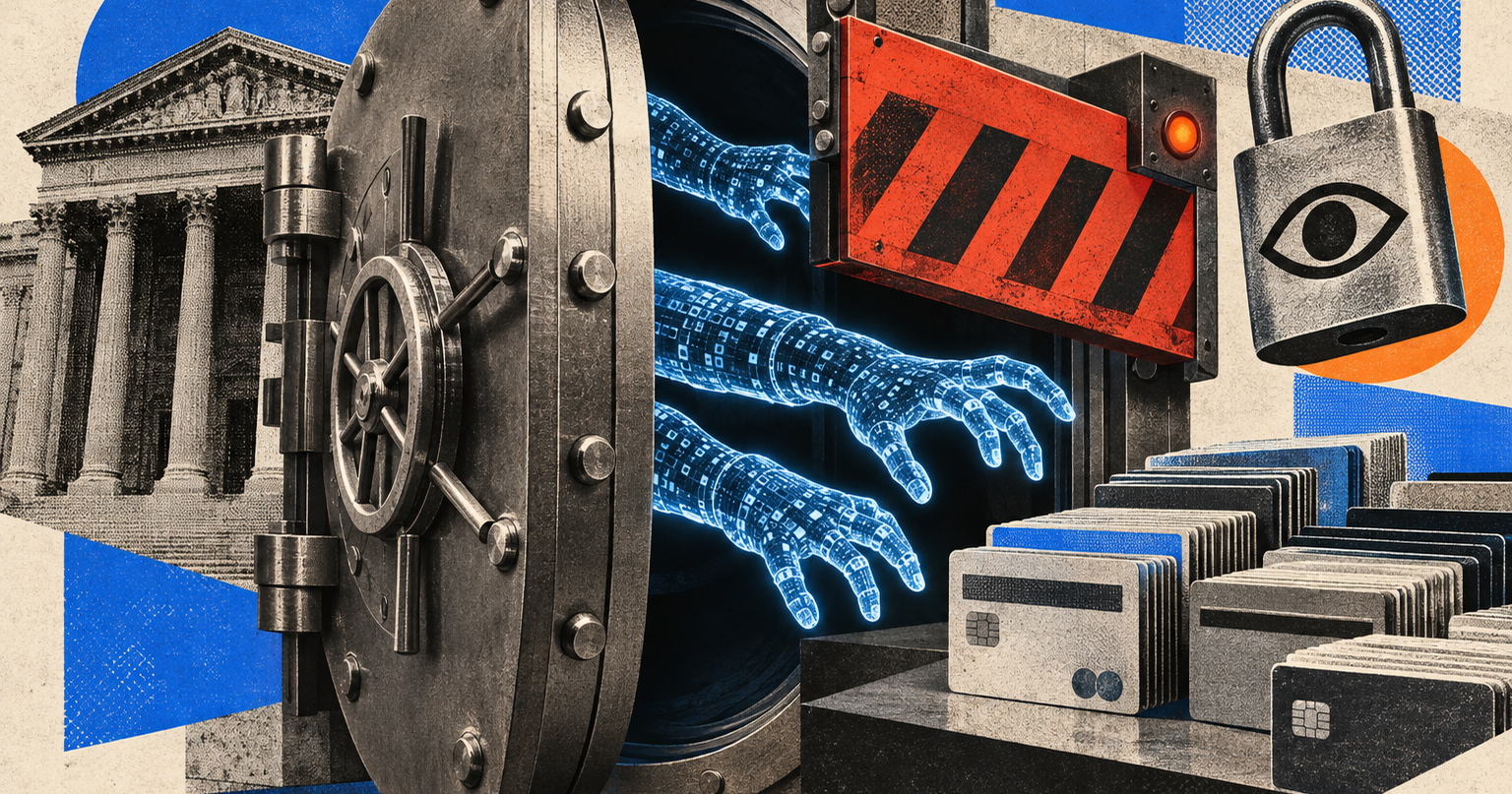
The biggest banks in the United States have a new kind of visitor in their customers' accounts. Third party AI agents are logging in with the customers' own usernames and passwords, poking around, sometimes calling bank call centers, and in some cases attempting steps that look independent of anything the customer asked for.
Bank executives have a word for it: "horrifying." And they are starting to shut the door.
Software logging in as the customer
Axios reported the discovery on Thursday, relying on people familiar with the matter; Reuters said it could not immediately verify the report. One executive said the industry has "grave concerns" about agents reaching into accounts and taking actions that could affect people's finances.
None of this is hacking in the classic sense. In most cases the customer handed their credentials to the AI tool themselves. The problem is what happens next. A bank account's security model assumes a human is on the other end of the login, and most banks have rules requiring customers to sign in themselves. Software logging in as the account holder breaks that assumption, even when the customer said yes.
Worse, the banks admit they often cannot tell what they are looking at. One executive said they struggle to tell one agent from another, or to know whether a given agent was authorized by the customer or has gone rogue. The biggest fear is agents with the power to make purchases or move money.
Nothing in the reporting shows money was stolen. What Axios described were attempted actions and mounting concern, not confirmed losses.
Who is locking what
Morgan Stanley is blocking outside agents, while JPMorgan, Bank of America and Citi are restricting them. Wells Fargo is also among the institutions working to contain the risks, and banks are rewriting their terms to match.
JPMorgan had already moved on this front earlier in the month, when it began blocking outside AI agents as Jamie Dimon warned about rogue agents.
There is an odd tension in the picture, though. A Morgan Stanley spokesperson told Axios the bank had not observed "rogue AI agents accessing our platforms," even as it moves to keep outside agents off them. A Chase spokesperson, meanwhile, simply warned customers not to share their usernames and passwords with anyone.
The read only compromise
Banks know they cannot ban the technology forever. Executives acknowledge customers will want to use agents, so some accommodation is likely.
The emerging middle path looks familiar. Most banks have authorized, or are leaning toward, read only access that lets agents view financial information without moving money. That is similar to what they already grant budgeting tools such as Quicken. Banks are also preparing recovery plans to secure or restore customer access if something goes wrong.
The timing is not great. The Bank for International Settlements has already warned that AI is shrinking the window banks have to patch security flaws before attackers exploit them. Now the same technology is showing up at the front door, holding the customer's own keys.
Some offers on this page may be paid placements or contain affiliate links.
Cyberpresso: daily cyber & AI brief
Free daily newsletter, read in 5 minutes.
Subscribe free