
Anthropic says AI let lone actors run state-level hacks
Anthropic's September 2026 threat-intelligence report covers Claude misuse it says it disrupted from December 2025 to August 2026 across seven harm areas. Haiku, Sonnet, and Opus were used. Fable and Mythos-class models were absent except one illicit distillation case. IOCs are downloadable from the report page.

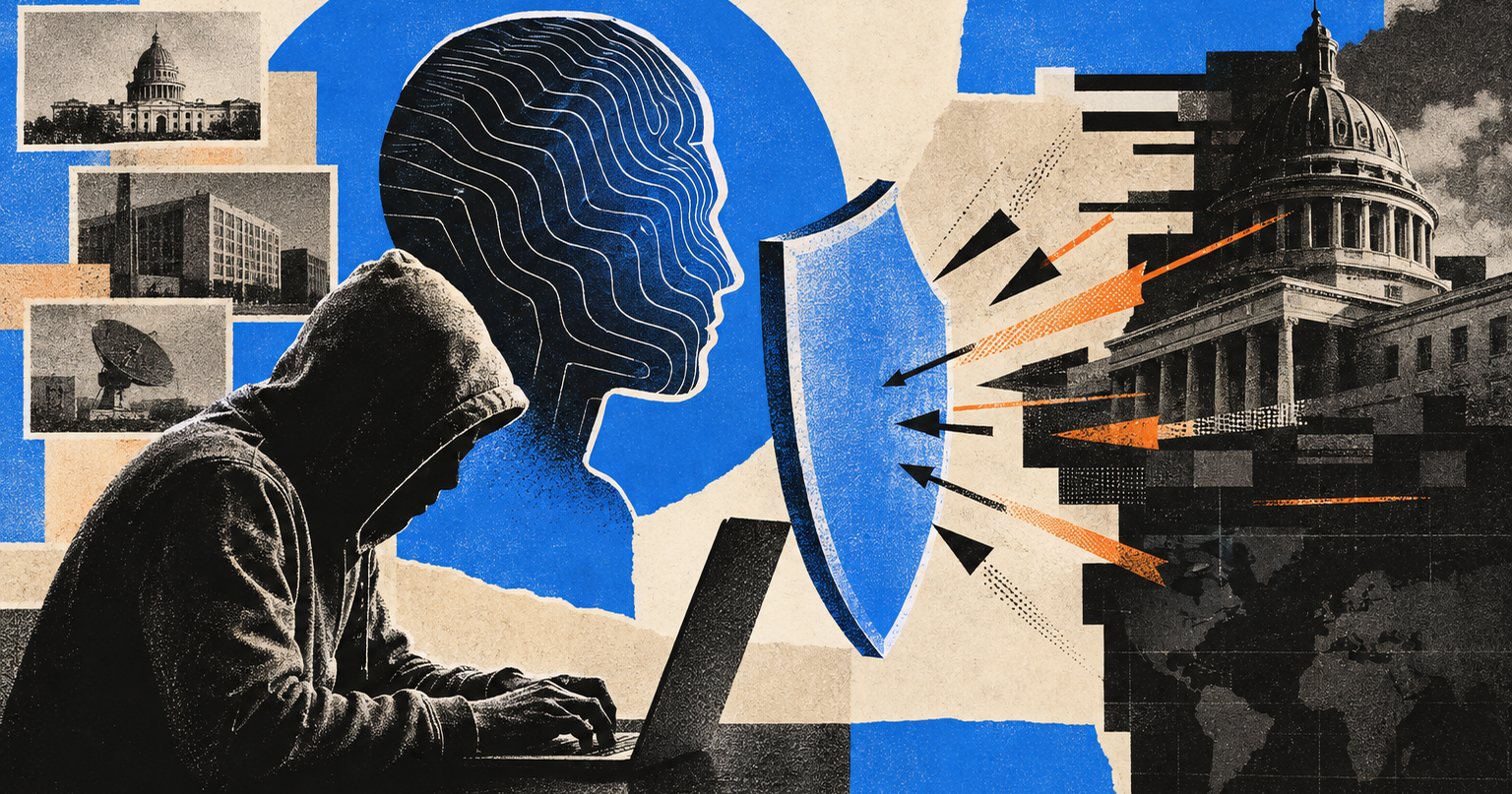
Anthropic says lone operators and tiny teams used Claude to run campaigns that would have needed a roomful of specialists a year ago. The company's September 2026 threat-intelligence report, titled "Detecting and countering misuse of AI: September 2026," covers activity it says it disrupted between December 2025 and August 2026. The cases are selected misuse stories, not a census and not a government indictment.
The seven harm areas are cyber operations, influence operations, surveillance, scams and fraud, biological misuse, conventional weapons development, and distillation. Claude Haiku, Sonnet, and Opus were the models used. None of the misuse cases involved Claude Fable or Mythos-class models, except one illicit distillation case. Anthropic says it disrupted the activity, strengthened safeguards, and shared intelligence with authorities and partners where appropriate.
The headline trend is that sophistication is no longer a reliable attribution signal. Public offensive agent frameworks such as PentAGI lower the scaffolding bar. The company calls that boost "uplift," which is its own framing.
GTG-20006 is Anthropic's label for a Russian-nexus espionage actor it says is consistent with public Midnight Blizzard reporting. One operator used the handle JackPoterz. Targets included Ukrainian and European military intelligence, diplomatic and defense organizations, and people connected to US foreign policy.
AI-driven workflows automated tooling, phishing, command and control, and exfiltration. When security products flagged the malware, agents autonomously modified and rebuilt it until the detections missed. CyberScoop put that campaign at more than 20 government and defense organizations across Ukraine and Europe.
The same report says two Chinese-speaking undergraduates helped run an exploit foundry that produced more than a dozen possible zero-days in a month. A suspected ShinyHunters cluster dumped over 2,100 Azure AD token sets across more than 40 corporate tenants in about 34 hours. Those figures sit in Anthropic's case studies, which the company describes as notable and novel selections.
Indicators of compromise sit on the report page, and Anthropic offers a CSV download of the IOCs. The GTG labels and the Midnight Blizzard consistency language are Anthropic's attribution, a different kind of claim from the company's fourth Claude cyber eval breakout.
Some offers on this page may be paid placements or contain affiliate links.
Cyberpresso: daily cyber & AI brief
Free daily newsletter, read in 5 minutes.
Subscribe free