

Hi there, this is your daily ☕️ Cyberpresso.
In today's Cyberpresso:
🧊 Hackers heat French supermarket fridges
🔓 Google DevSite flaw let attackers run code
💾 Hidden spy chips betray Ledger wallet owners
🐛 GitLab flaw lets attackers run server code
📦 npm flaw exposed 1,500 packages
Plus: 💡 6 strategies & tactics, 🎁 8 more stories you might like, 🧰 6 tools, and 📚 3 papers.
From our partner
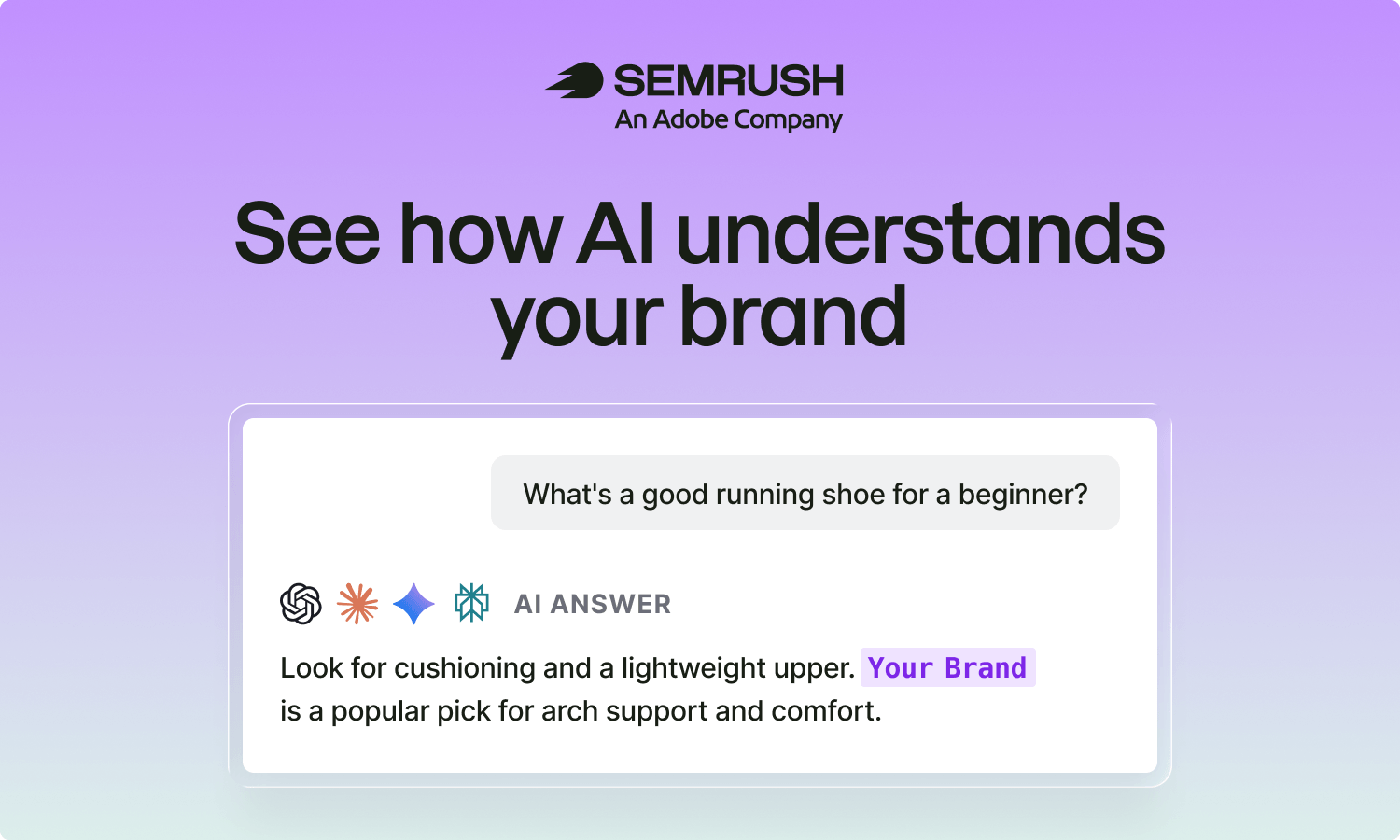
Semrush shows where your brand appears in AI answers, which sources shape those answers, how competitors compare, and where visibility can improve.
Semrush One connects those AI insights with the SEO data and workflows teams already use.
🧊 Hackers heat French supermarket fridges LINK
- Hackers remotely raised the temperature of refrigerators and freezers at hundreds of French supermarkets overnight, spoiling food and sparking fires, with Les Mousquetaires estimating damage of several million euros, Paris prosecutors said they opened an investigation yesterday.
- Attackers abused two internet-exposed refrigeration management product series by Danish company Danfoss, AK-SC and AK-SM, forcing continuous defrost cycles that set temperatures to 50°C and in some cases stretching a one-hour defrost to eight hours to delay alarms; Danfoss said the units ran outdated firmware.
- Around 180 Intermarche and Netto stores were hit, along with dozens of Cooperative U, Carrefour, Monoprix and several E.Leclerc outlets, with France's ANSSI advising that remote administration interfaces be restricted to trusted IP addresses rather than exposed to the internet.
🔓 Google DevSite flaw let attackers run code LINK
- A critical flaw in Google's shared DevSite platform let an unauthenticated attacker forge Flask session cookies and run code on several Google developer sites, including developers.google.com, firebase.google.com, and developer.android.com, researcher Simon Koeck found.
- The session cookie held an OAuth client secret that was reused as the Flask signing key, so anyone grabbing a cookie could recover the key, forge a trusted session, and plant a crafted pickle object that the OAuth callback unpickled into attacker-chosen code.
- Google fixed it on October 7, 2026, after an August report and a $90,000 reward, by rotating the exposed secrets, separating the signing key from OAuth credentials, and moving flow objects to server-side storage; the proof of concept used only a harmless time-delay payload.
💾 Hidden spy chips betray Ledger wallet owners LINK
- Ledger said today that hardware implants hidden inside some of its crypto wallets, sold by Southeast Asian reseller CryptoBilis, secretly read owners' recovery phrases and sent them to an attacker over a cellular network.
- When a user set up the signer and the device screen showed the 24-word recovery phrase, the master key that lets anyone recreate the wallet and move funds elsewhere, a hidden microcontroller decoded the words and transmitted them over LTE using an eSIM.
- Ledger called it a physical supply chain attack, not a software breach: the implant did not touch the secure Element that protects private keys, the operating system, or any transactions or signatures, so the theft came entirely from the planted chip.
🐛 GitLab flaw lets attackers run server code LINK
- A maximum-severity integer overflow flaw in GitLab Community Edition and Enterprise Edition (CVE-2026-97229, CVSS 10/10) lets an unauthenticated attacker run arbitrary code on the GitLab server by submitting a specially crafted regular expression inside a CI/CD configuration file.
- The bug stems from insufficient regular expression validation in GitLab versions 19.2 before 19.2.8, 19.3 before 19.3.5, and 19.4 before 19.4.2, no login or user interaction is required, meaning any internet-facing instance is exposed.
- GitLab has released patches in versions 19.4.2, 19.3.5, and 19.2.8; no exploitation in the wild is mentioned, though a separate maximum-severity GitLab flaw disclosed last month drew active probes within hours of public disclosure.
📦 npm flaw exposed 1,500 packages LINK
- A flaw in npm's Trusted Publishing feature, named SlugFest, exposed more than 1,500 packages, together topping 10 million total downloads, to takeover by attackers who reclaimed abandoned GitHub repository names, without stealing any token or account.
- For configurations that had never completed a first publish, npm stored the human-readable GitHub repository path instead of its permanent numeric ID, so an attacker could claim the freed name, add a workflow with the expected filename, request an OIDC token, and receive a valid publishing credential.
- Bloom Security found no active campaign and withheld the package list; GitHub fixed it on October 2 after more than 120 days, now expiring unvalidated configurations after 48 hours and blocking tokens triggered by issue_comment events, with maintainers advised to recreate bindings after any repository rename or transfer.
From our partner

ManageEngine Remote Access Plus is HIPAA-ready remote desktop management software trusted across 700K+ endpoints and 18M+ remote sessions worldwide.
• One-click remote control for Windows, Mac, Linux, and Android, with multi-monitor support and session recording
• 12+ built-in diagnostic tools: registry editor, command prompt, service monitor, file transfer, and more
• Voice, video, and text chat for real-time collaborative troubleshooting with technicians and end users
💡 Strategies & Tactics
> Meta Zurp AI Toolkit Connects Burp Suite With AI Coding Agents for Bug Bounty Research: Meta's open-source Zurp links its security-testing tools with AI assistants so approved researchers can decode and replay traffic without manual tool-switching.
> GitHub - douglasmun/macos-sudo: This open-source tool lets macOS users approve sudo (administrator) commands with Touch ID instead of a password, routed safely through the system so it keeps working inside terminal multiplexers like tmux.
> GuardDuty Extended Threat Detection has added five new indicators to surface attack sequences: GuardDuty now folds vulnerability, reachability, misconfiguration, and sensitive-data context into its attack-sequence alerts, turning noisy weak runtime signals into fewer, higher-confidence critical findings.
> Below The Waterline: In regulated red team tests, document every action, approval and risk so decisions can be reconstructed and defended by regulators long after the engagement ends.
> The AI silent killers your dashboard will never show you | Hack The Box Blog: Regularly test whether analysts can work without AI and whether AI agents still meet standards, because dashboards hide eroding skills and silent capability decline.
> Deepfake-assisted identity fraud: risks, detection, and controls: Deepfakes fool face and voice checks by faking live biometric data, so defend with layered liveness tests and separate-channel verification for high-risk requests.
Other news you might like
- Google AitM Phishing Kit Uses WebSockets to Bypass MFA in Real Time LINK
- GhostAction Phishing Campaign LINK
- XWorm RAT Evolves Into Surveillance Platform LINK
- GhostProfile macOS Malware Clones Browser Profiles to Hijack Live Sessions LINK
- LG Smart TVs Vulnerable to Pre-Auth Root Takeover From Local Network LINK
- Kimsuky Operation GitPower Uses GitHub to Deliver Malware and Steal Data LINK
- Two Critical MarkLogic Flaws Could Give Delegated Managers Persistent Admin Control LINK
- Critical MariaDB Flaws Can Let Attackers Execute Code and Steal Database Data LINK
🧰 Trending tools
VibeDefend: integrates with AI coding agents to enforce business and security rules, scanning diffs live and blocking dangerous commands before they run. LINK
Google Gemini 3.8 Flash and Cyber: fast, low-cost models for agentic coding, multi-step reasoning, autonomous tasks, and cybersecurity work like vulnerability detection. LINK
Koreshield: inspects customer input, retrieved context, and proposed actions in AI support workflows, blocking untrusted content from becoming trusted instructions with logged evidence. LINK
Off the Record: blocks AI notetakers from transcribing your meetings, letting you toggle protection on when conversations should stay private and off when transcription is fine. LINK
Termaxa: previews and gates the commands AI agents run, with a tamper-evident audit log, path-based rules, backups, and deny-by-default safety for unattended runs. LINK
AuthMonster: a two-factor authentication app with easy migration from Google Authenticator and LastPass, biometric locking, and a donation-based model instead of paywalls. LINK
📚 Trending papers & reports
Vulnerability triage ranks which software flaws actually matter by checking whether they are reachable and exploitable in a company's real setup, finding most of 6,138 flagged flaws pose no genuine risk. LINK
Agent security flaws show how hidden malicious instructions planted in user messages or in messages between cooperating AI agents can leak sensitive data and spread like an infection from one agent to another. LINK
Power-sensor snooping turns the unprotected battery and current readouts on common Arm chips into a stealthy way to steal data from memory, even when timing-based defenses block older attacks, hitting ~82% accuracy on a Raspberry Pi 5. LINK
See you tomorrow for a new dose of ☕️ Cyberpresso!