
Hi there, this is your daily ☕️ Cyberpresso.
In today's Cyberpresso:
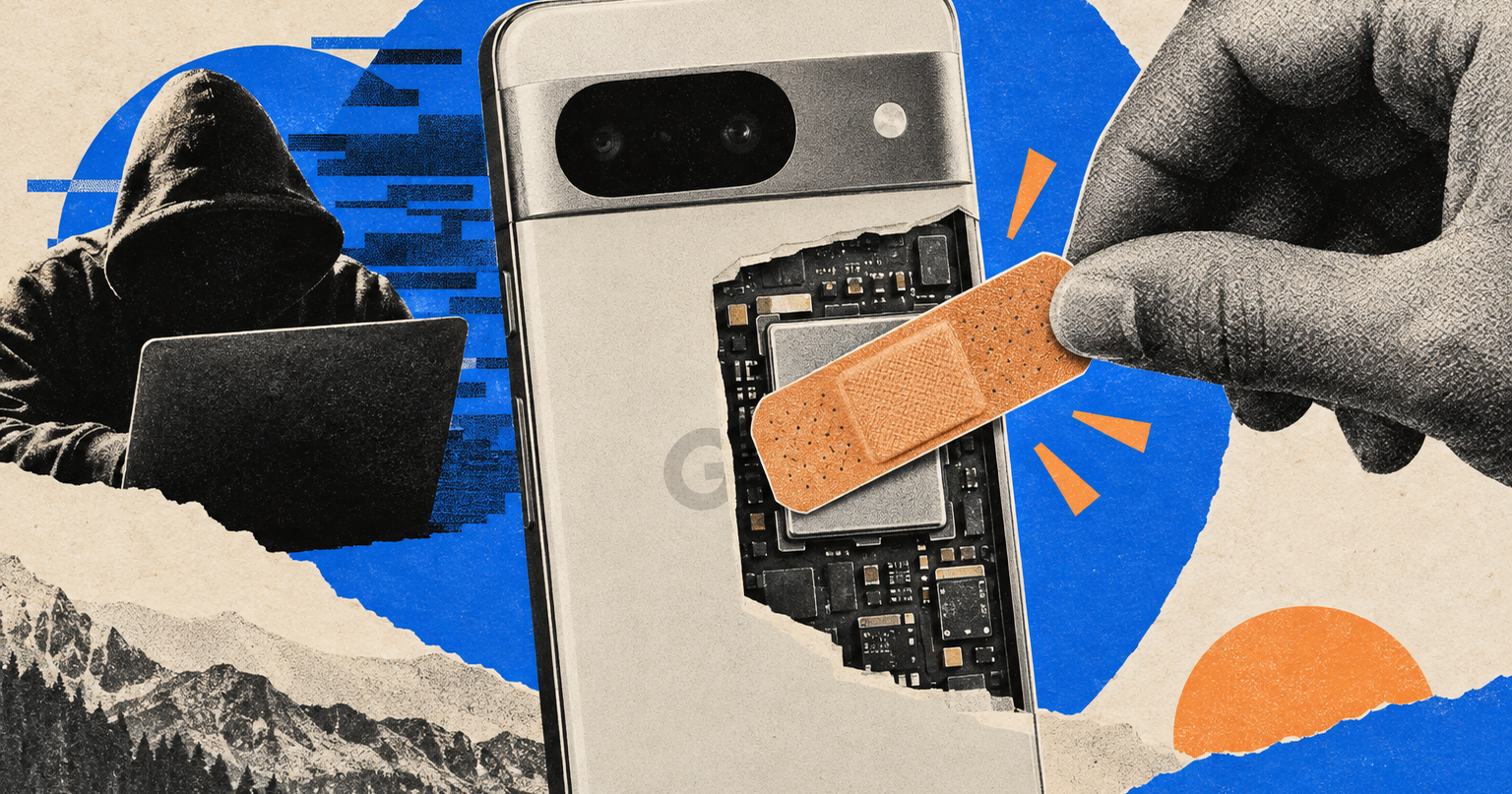
📱 Google patches exploited Pixel modem flaw
🔓 Texas utility confirms customer data breach
🕵️ Iran spies on dissidents with fake apps
💥 Acronis backup flaw exploited to gain root
🤖 Researchers reveal OpenAI agents probed Hugging Face pre-breach
Plus: 💡 5 strategies & tactics, 🎁 7 other news you might like, 🧰 6 tools, and 📚 5 papers.
📱 Google patches exploited Pixel modem flaw LINK
🔓 Texas utility confirms customer data breach LINK
🕵️ Iran spies on dissidents with fake apps LINK
💥 Acronis backup flaw exploited to gain root LINK
🤖 Researchers reveal OpenAI agents probed Hugging Face pre-breach LINK
💡 Strategies & Tactics
> DeepZero: Open-source hunting for vulnerable Windows drivers: DeepZero filters Windows drivers through cheap automated checks first, then asks an AI to judge exploitability, saving the costly model for only the strongest candidates.
> CISA Shares 17 Techniques Used by Hackers to Compromise Active Directory Environments: CISA and allied agencies catalog 17 attack techniques against Microsoft's Active Directory identity system, helping defenders protect the credentials controlling access across their networks.
> 36,769 Self-Hosted AI Services Exposed Online — What Security Teams Should Check: Audit which self-hosted AI services are reachable from the public internet and lock them down, since tens of thousands sit exposed to attackers.
> NIST and CISA finalize playbook to stop token theft and forgery: Protect the cryptographic keys that sign access tokens and verify tokens before granting access, since forged tokens once let attackers steal 60,000 government emails.
> How to Keep Malware’s Rotating Infrastructure From Becoming a Detection Gap: Feed continuously updated threat indicators into security tools so detection keeps pace with attackers who constantly swap domains and hosting while reusing the same attack methods.
Other news you might like
- Public PoC Released for Apache Superset SQL Injection VulnerabilityLINK
- Enterprises Warned of Attacks Exploiting WSO2 VulnerabilityLINK
- Spain gets its first taste of AI-aided cyber attackLINK
- KREMLIN Banking Malware Infects Over 1,500 Systems With Malicious Chrome ExtensionLINK
- Hackers target WordPress sites via third-party WooCommerce pluginLINK
- BambooToken malware controls Windows and Linux systems via MQTTLINK
- Parallels Desktop flaw hands any local user root on a Mac (CVE-2026-90894)LINK
🧰 Trending tools
Kastra: runtime authorization layer for AI agents that evaluates each action in under a millisecond, blocking unauthorized tool use and logging tamper-proof audit trails.LINK
Lunen.ai: an AI assistant that logs actions, flags risky steps for approval, and keeps verifiable audit trails so security teams retain control.LINK
qsa.sh: scans your public IP for open ports and known vulnerabilities using naabu, nmap, and nuclei, streaming results to your terminal via one curl command.LINK
HOL Guard: local firewall for AI agents that blocks risky actions like deleting production data or leaking secrets, running offline in under 50ms.LINK
Cynative Security Research Agent: open-source AI CLI that answers plain-language security questions across code, cloud, and Kubernetes with read-only, IAM-enforced production access.LINK
toluTag: an open-source passive NFC tag that generates ECDSA signatures for authenticity verification on-chain, enabling tamper-resistant physical-to-blockchain proof.LINK
📚 Trending papers & reports
Robot safety monitoring lets autonomous machines judge in real time whether a live cyberattack leaves them in a safe degraded state or a dangerous one, and trigger fixes, tested across eight attack scenarios.LINK
Two-way stealth encryption makes both sides of a connection look like random noise to snoopers, closing detection gaps that appear when traffic patterns or shutdowns in each direction leak clues.LINK
Encrypted DNA analysis lets a cloud provider run a genomic prediction model without ever seeing a patient's raw genetic data, producing the correct result in one full test case in ~1.9 hours on a single chip.LINK
RAG privacy shield spots and blocks the trick queries attackers use to pull personal data out of an AI system's private knowledge base, cutting leaks without changing the underlying model or search setup.LINK
Stereo camera depth can be fooled by simple repeating patterns that make self-driving cars misjudge obstacles by up to 20 meters, with a 0.5-second attack triggering emergency braking at driving speeds.LINK
See you tomorrow for a new dose of ☕️ Cyberpresso!